
About the course
This coursework is approved by Commission of Dietetic Registration, US for 18 CPEUs
Nutrition plays an integral part in the first 1000 days of life, from conception to the 2nd year of life. Small changes could make a difference in the conception journey and the health of both the offspring and the parents.
Benefits of Early Life Nutrition
optimising the chances of conception
improve ovum and sperm health
improve the success rate of assisted reproductive treatments
reducing pregnancy-related complications
improving the health of newborn
prevention of congenital disorders such as neural tube defects
reduce the risk of developing chronic diseases as a by-product of lifestyle modifications for the family
However, so much misinterpretation and ineffective advice is floating in this space. Hence, evidence-based practice and practice-based learning can significantly improve form the need of the hour.
This course also looked into the dual burden of under- and overnutrition faced by South Asian, Middle Eastern and African populations.
Infertility and pregnancy complications pose significant and unique challenges for couples in South Asian, Middle Eastern and African countries. In these regions, cultural and societal factors can contribute to the stigma surrounding infertility, leading to emotional distress for those experiencing difficulties in conceiving. Access to fertility treatments and reproductive healthcare services may be limited or inaccessible in certain areas, further exacerbating the issue.
In addition, women may face higher risks of pregnancy complications due to factors such as inadequate prenatal care, nutritional deficiencies, and limited access to maternal healthcare services. This can contribute to higher rates of maternal and neonatal mortality, as well as a greater prevalence of complications during childbirth.
Addressing these challenges requires a comprehensive approach that includes increased awareness and education about reproductive health to ensure safe and healthy pregnancies.
Detailed course prospectus
Click below the avail the detailed prospectus with session dates and learning objectives, alternate methods of payment and application form. Maternal and Fertility Nutrition Prospectus.docx.pdf
Course curriculum
-
-
Standard Terms and conditions
-
Agreement to terms
-
-
-
About Maternal and Fertility Nutrition Coursework
-
Understanding Foetal Programming
-
Decoding Evidence based care
-
How to grade evidence
-
Need for Nutrition input in Fertility and Maternal specialities
-
Planning services, public health initiatives
-
Types of Fertility Treatments
-
Homework for the week
-
Additional Reading
-
Quiz : Nutrition for Fertility
-
-
-
Understanding the Menstrual cycle
-
Establishing the roots of life : Implantation
-
Case Study: PCOS
-
Case Study: Ovulatory Dysfunction
-
Case Study : RED S
-
Additional reading, handout and toolkit
-
Quiz Nutrition - Female Fertility
-
Recording
-
Q&A document
-
Female Fertility Toolkit
-
Toxicity caution on supplements- Relevant to both and male and female
-
Presentation copy
-
-
-
Understanding contributions of sperm in Foetal health
-
Understanding the Male Reproductive system
-
Stigma for getting help for Male fertility
-
Additional Reading, handout and toolkit
-
Recording and presentation
-
-
-
Pre- Reading
-
Post Bariatric pregnancy planning
-
Recording and presentation
-
FAQ - Health Conditions and PCOS
-
-
-
Role of Nutrition in Pregnancy
-
Barriers to good nutrition practices
-
Reference guide
-
Recording and presentation
-
Reccomended Reading Journal
-

About this course
- £350.00
- Course work involving 12 modules. Weekly Live sessions Saturdays 1300-1400. Dates 4th April- 20th June 2026
Meet the faculty
The coursework is led by a team of registered Dietitians specialising in the area of Maternal and Fertility Nutrition. 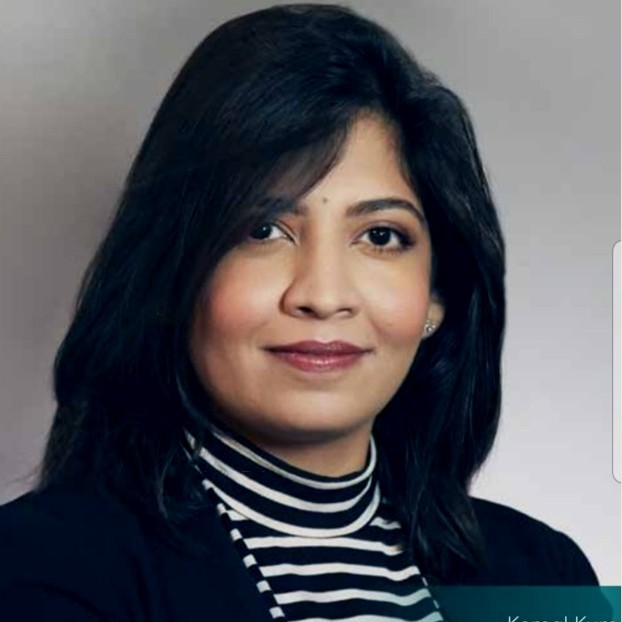 Komal Deepak Kumar, MSc, RD
 Ramya Ramachandran MSc, RD
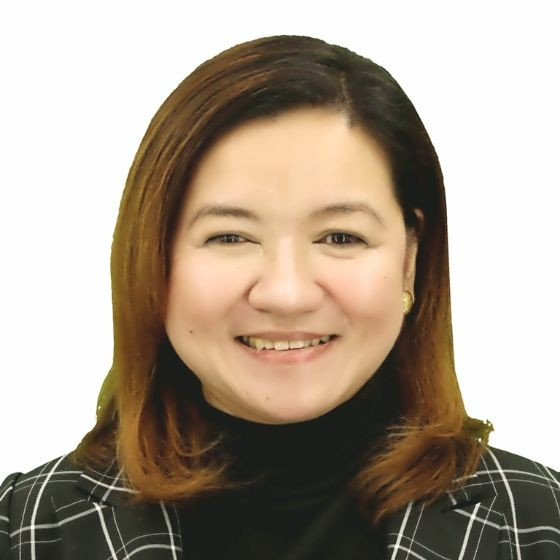 Love Matibag RDN (CDR)
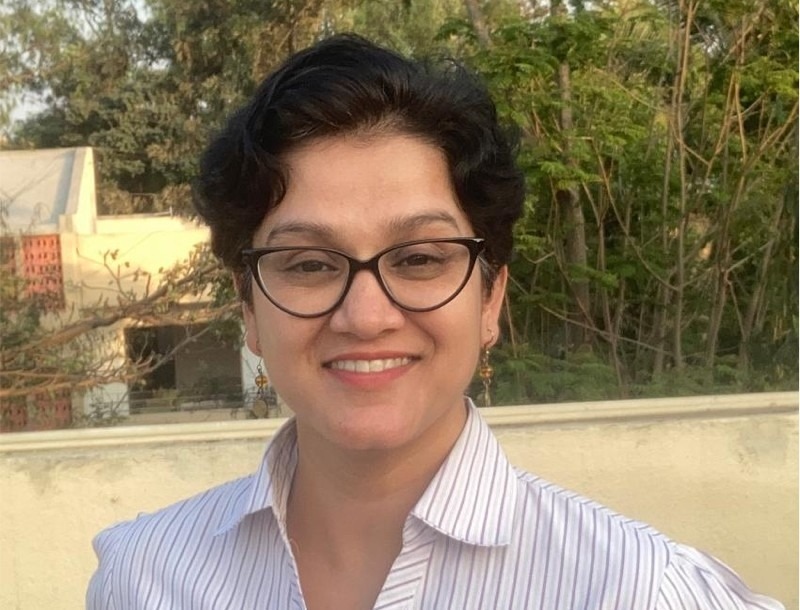 Gauri Shingote RD, RDN (CDR)Please click on the faculty name to open up their linkedin profile
Few testimonials
(Profiles are linked to linkedin on participant names)
 Why did you choose to do the Maternal and Fertility Nutrition course?
Given the volume of clients who come in with infertility & maternal nutrition concerns, I found it important for me to learn MORE than just the basics of fertility nutrition & something more specific to address the specific concerns in these different stages.
Did the course influence your practice in any way?
The course, in its first 2-3 classes itself has been helpful for me, as it has allowed me to understand when and how to address client concerns relating to AMH levels, endometrium related concerns & particularly with diabetes and pregnancy as well as for clients with sperm motility concerns.
- Suhasini Viswanathan, HOD and Nutritionist
 Have you started shaping up/ planning new services? If so, can you speak about it?
Yes, I'm planning to develop more comprehensive and specialized nutritional guidance for my clients, along with a few educational workshops to support maternal and fertility health.
Additionally, the toolkits provided during the course have been of immense help in shaping these new offerings. These toolkits will be integrated into my services to ensure clients receive the right guidance. I believe this combination will greatly enhance the support and outcomes for my clients.
- Praksha Jain M.Sc., B.Sc., CDE , Founder- Dietetic Clinic
"I have been diagnosed with PCOS and even though I have been very particular about my dietary choices & lifestyle I have been struggling to lose weight and find it difficult to cope up mentally. After Joining this course I have been feeling positive about my own self and I have cultivated a lot of mindful habits. I have also helped my other female colleagues with fertility issues to check with their physician for multivitamin supplementation rather than concentrating on one or two micronutrients after carrying out overall blood test. It has influenced my thoughts on tailoring a meal plan and incorporating a dietary approach according to the blood profile and overall health of each individual"
- Nandita Krishnan, Lecturer, Higher Education and Research Institution